







Search Results for: One-pour method
What exactly does "one-pour" mean in pour-over coffee? An in-depth comparison of the extraction differences between one-pour and three-pour methods
Among the various pouring methods for hand-brewed coffee, the "one-pour" technique is the first brewing method many beginners encounter, and it is often compared with the three-stage pour. On the surface, it seems simple to perform—just divide the total water into two pours—and its name is taken from the Japanese swordsmanship term "one strike, two cuts." In practice, however, the one-pour method is the hardest of all techniques to master; a single misstep can produce problems such as a thin, bland taste, sharp acidity, and a flat, one-dimensional flavor profile. In this article, Front Street Coffee provides a detailed analysis of the definition of the one-pour method, how it differs from the three-pour method, and why beginners are advised to start with the three-stage pour, while also explaining the key influence that water-flow control and parameter matching have on the success or failure of the one-pour method. [more…]
How to brew with the one-pour tornado pour-over method? A full breakdown of pouring technique, parameter settings, and flavor performance
In the exploration of pour-over coffee, enthusiasts always manage to create eye-catching new brewing methods. Today, Front Street Coffee is going to try the "one-pour tornado brewing," an aggressive technique that combines the traditional one-pour method with cyclone-style pouring. It divides the target water volume into two stages—blooming and main extraction—without pausing in between, and then creates a whirlpool through rapid circular pouring and a large, fixed-point stream, resulting in higher extraction efficiency and a thicker body. However, this technique places extremely high demands on flow control and parameter coordination, and it is not suitable for all beans. This article will break down the operational steps of the one-pour tornado, parameter adjustments, comparisons with the conventional one-pour method, and recommendations for suitable bean types, giving you a comprehensive understanding of this brewing method that is both visually striking and challenging. [more…]
Analysis of the Differences Between One-Pour and Three-Pour Hand Brewing: How Pouring Technique Affects Coffee Flavor and Extraction
There are many ways to pour water when making pour-over coffee, and among them the one-pour method and the three-stage method are two common yet strikingly different techniques. The one-pour method originates from Japanese swordsmanship; it looks simple to perform, but places extremely high demands on water-flow control. The three-stage method, by contrast, extends the extraction time through staged pouring, enhancing the layers of flavor. This article uses a comparative experiment at Front Street Coffee, using the same washed Yirgacheffe beans, brewed with the one-pour method and the three-stage method respectively, to analyze the differences between the two in the shape of the coffee bed, flavor performance, and extraction time, and to explore why the three-stage method is more favored by baristas. Whether you are a beginner or an advanced player, understanding the core points of these techniques can help you flexibly choose according to the beans and parameters, and brew a more satisfying cup of coffee. [more…]
A Complete Analysis of One-Pour Hand-Drip Coffee: Operational Key Points from Blooming to Pouring and Differences Compared with the Three-Pour Method
The one-pour method is the seemingly simplest yet, in reality, most understanding-demanding brewing approach in pour-over coffee. It doesn't require complex staged pouring—just a single pour of the remaining water after blooming. But truly brewing a good cup of one-pour coffee tests not the technique itself, but a systematic command of coffee bean information and brewing parameters. This article will dissect the essence of this brewing method from the angles of the basic principles of the one-pour method, the scientific basis of extraction, the actual differences from multi-stage pouring, and how to judge blooming time, helping you understand why simple doesn't mean easy. [more…]

A Complete Guide to Tetsu Kasuya's One-Pour Brewing Method: A Minimalist Pour-Over Approach Rooted in the High-Concentration, Low-Extraction Philosophy
World champion Tetsu Kasuya proposed a brewing method called "one-pour" in 2019, advocating pouring all the target water at once, skipping the blooming step and making pour-over extremely simple. However, it is often mistaken for the single-pour method, when in fact the two are clearly different. This article will comprehensively break down the characteristics of one-pour brewing from its principles, parameters, and operation process to actual measurement comparisons, and use Panama Boquete Geisha as a sample to compare the flavor performance after one-pour and single-pour brewing. At the same time, Front Street Coffee will also sort out five key details to note in one-pour brewing to help coffee lovers avoid misunderstandings. [more…]

A New Hand-Brew Method Without Blooming: The Principles, Parameters, and Practical Points of the One-Pour Brewing Technique
Pour-over coffee usually starts with blooming, but Tetsu Kasuya, the 2016 World Barista Champion, proposed in 2019 a brewing method that skips blooming entirely—the one-pour method. It may look similar to the single-pour technique, but the differences are clear: the single-pour technique splits the water into two pours, while the one-pour method pours all the hot water in at once. This article covers the principles of the one-pour method, its differences from the single-pour technique, equipment and bean selection, grind adjustment, pouring direction, and the full process of Front Street Coffee's hands-on practice with a Colombia · Hope Estate Geisha, providing key parameters such as dose, ratio, water temperature, grind, and time to help you decide whether this minimalist brewing method suits you. [more…]
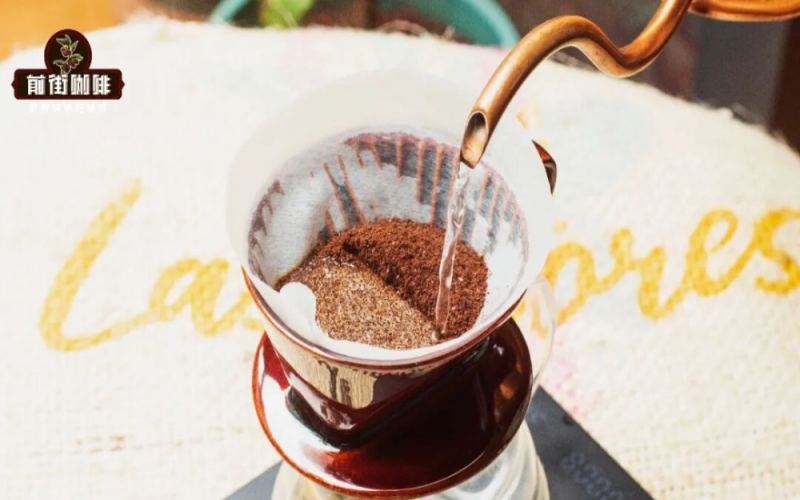
Pour-Over Beginner's Guide: Z-Pour One-Pour Technique Explained and Split-Extraction Parameters Fully Analyzed
For friends who are just getting into pour-over coffee, choosing a pouring method that is quick to learn and highly consistent is crucial. Recently, a brewing technique called the "Z-shaped one-pour method" has become popular in the coffee community. Because of its unique pouring path and simplified staging logic, it has attracted many enthusiasts to try it. Some believe it is easier to control than traditional circular pouring, while others find it quite difficult to execute and think its flavor performance is mediocre. This article takes Front Street Yirgacheffe Worka as an example and, based on Front Street's actual practice, breaks down in detail the pouring path, parameter settings, and key details of the Z-shaped one-pour method, and compares its flavor with the classic three-stage brewing, helping beginners fully understand the advantages, disadvantages, and scope of application of this technique. [more…]
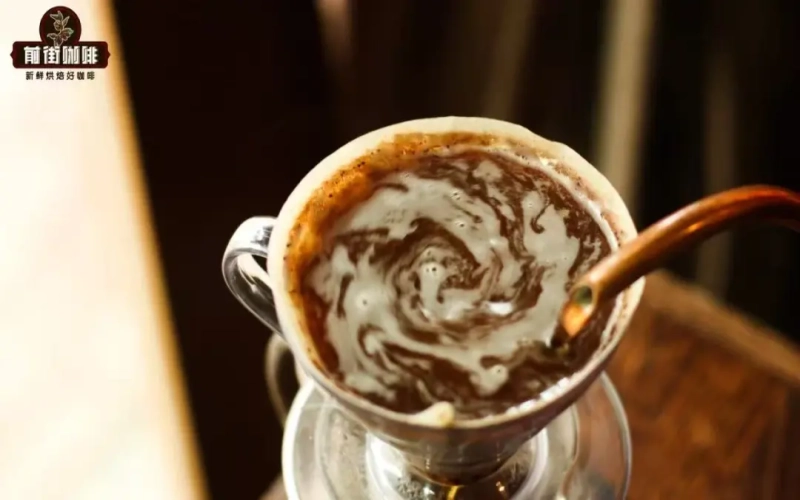
How to brew pour-over coffee with the one-pour tornado method? A detailed guide to pouring technique, grind size, water temperature, ratio, and staged pouring key points
The one-pour tornado is a pouring method in pour-over coffee that combines visual appeal with difficulty. It requires injecting a large amount of hot water in a short time, using a strong pushing force to form a high-speed rotating funnel-shaped vortex in the dripper. Based on Front Street's practical experience, this article systematically explains the two major difficulties of this brewing method, the approach to parameter adjustment, and the complete steps: including grinding about twice as fine, increasing the water temperature by 3 to 5°C, maintaining a coffee-to-water ratio of 1:15, and the specific technique of completing the pour in two stages after blooming. It also explains the choice between V60 and Kono drippers, and shares the flavor performance of Front Street Finca La Divisoria · Sidra under the one-pour tornado brewing method, for coffee enthusiasts to try at home. [more…]

A Comprehensive Comparison of the One-Pour and Three-Pour Hand-Brew Methods: Core Differences, Pros and Cons, and Key Steps for the One-Pour Technique
The pouring method in pour-over coffee directly affects the flavor in the cup, and the one-pour and three-stage methods are the two most common approaches. The one-pour method divides the target water volume into two pours, finishing the remaining water all at once after blooming; its name comes from the "one cut, two pieces" concept in Japanese swordsmanship, and though it appears simple, it is the hardest to control. The three-stage method divides the water into multiple pours, giving the brewer more time and opportunities to adjust extraction, with a noticeably higher margin for error. Front Street Coffee has found in daily practice that beginners using the one-pour method often encounter problems such as weak flavor, sharp acidity, and a flat, one-dimensional profile, the root cause being that nearly ninety percent of the water is poured in a single go, leaving no room for correction. This article will systematically sort out the differences between the two methods, analyze the effects of flow rate and pour height on extraction, and explain what techniques and parameter conditions are required to brew good coffee with the one-pour method. [more…]
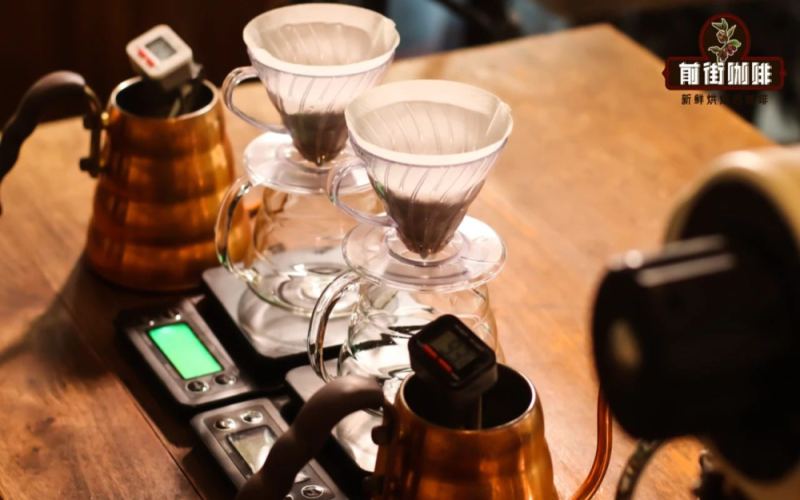
Pour-Over Coffee Techniques Explained | What Is the One-Pour Method? How Does It Differ from the Three-Stage Pour? Which Brews a Better Black Coffee?
For more specialty coffee knowledge, please follow: Front Street Coffee (Frontsteet Coffee). One of the great joys of pour-over coffee is using different brewing techniques to interpret a cup of coffee. And as for pour-over methods, I believe everyone pays close attention. So the most widely spread pour-over technique at present is the one-pour method. [more…]
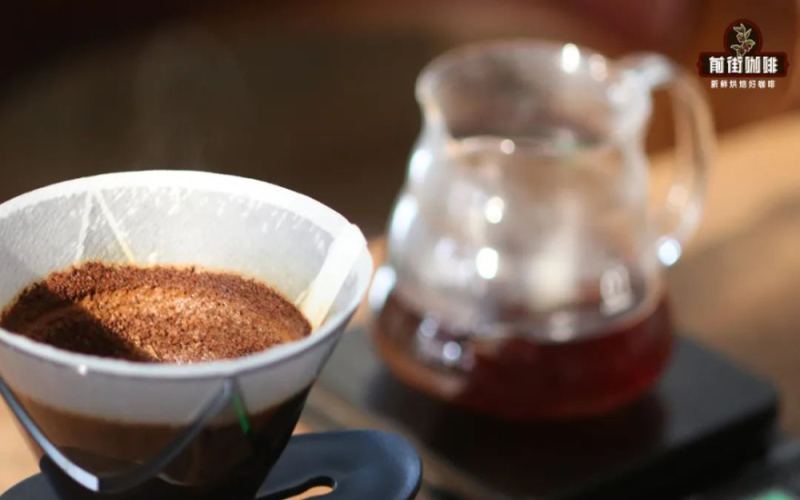
A Complete Guide to One-Pour Iced Pour-Over Coffee: Water-to-Coffee Ratio, Grind Size, and Pouring Parameters
Want to easily make a refreshing, crystal-clear iced pour-over coffee at home? This article focuses on Mr. Tetsu Kasuya's one-pour brewing method, breaking down the complete process in detail, from equipment selection and parameter settings to pouring and stirring. Drawing on hands-on testing experience, Front Street Coffee will explain the logic behind the combination of 20 grams of coffee, 150 milliliters of water, and 80 grams of ice, and take a deep dive into how a slow-drip dripper, fine grinding, and the coffee-to-water ratio affect extraction. Whether you are a beginner just getting started or a coffee enthusiast looking to refine your technique, you will be able to master the core essentials and key points of the one-pour iced pour-over method. [more…]
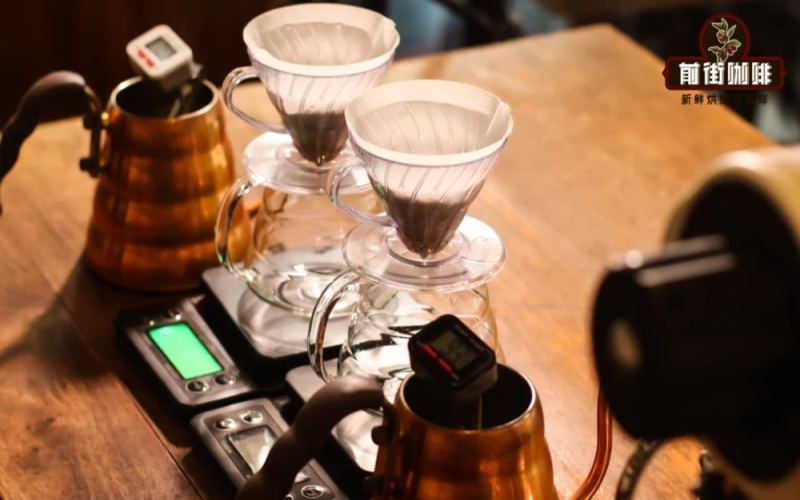
Pour-Over Coffee: One-Pour vs. Three-Pour Comparison — A Comprehensive Analysis of Steps, Ratios, and Brewing Methods
One of the charms of pour-over coffee lies in using different pouring techniques to bring out the diverse flavors of the same bean. Currently, the two most widely used methods—single-pour and three-stage—each have their own followers. Single-pour involves completing the target water volume in one go after blooming; it is simple to operate but extremely demanding on water flow stability and grind size. The three-stage method divides pouring into three phases, enhancing layering and compatibility through staged extraction. Using 15 grams of coffee and a 1:15 coffee-to-water ratio as an example, this article breaks down in detail the specific steps, pouring timing, and parameter requirements of both methods, and combines the brewing performance of Front Street Coffee Huakui and Colombia Huila Washed Caturra to help you find a brewing rhythm that suits you. [more…]
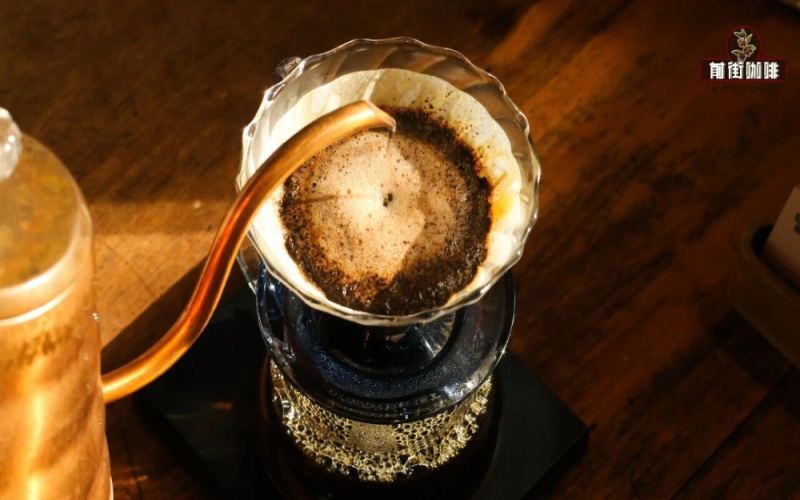
A Detailed Guide to the One-Pour Hand-Drip Coffee Method: Tetsu Kasuya's Simplified Pouring Technique and Front Street Coffee's Practical Parameters
Pour-over coffee techniques often intimidate beginners, requiring repeated practice to achieve consistent results. This article introduces a brewing method called "one-pour," publicly presented in 2019 by Tetsu Kasuya, the 2016 World Brewers Cup champion. Its core idea is to skip the bloom phase, pouring all the target water in a single large stream within 15 seconds, then letting the dripper complete the process through natural filtration. This method demands very little pouring skill and has low equipment requirements, yet yields coffee with lively flavors and rich fruity notes. Front Street will share improved parameters and flavor performance based on actual testing with the Hario Infinity dripper, making it a useful reference for coffee enthusiasts who want an easy introduction to pour-over brewing. [more…]
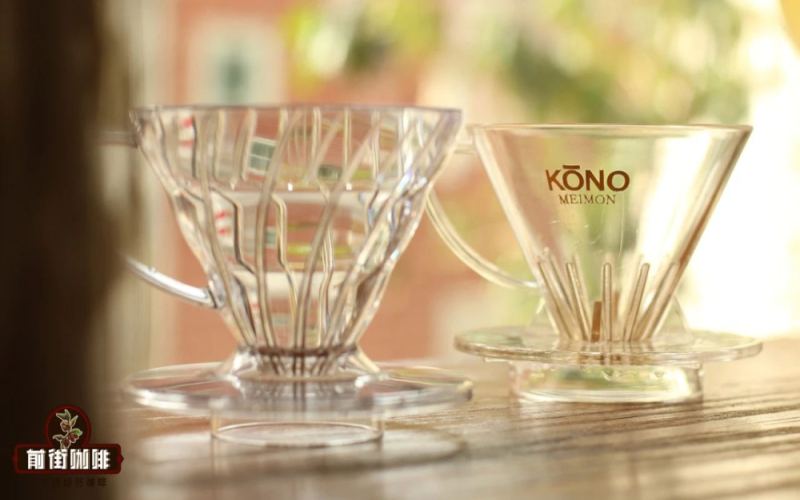
Pour-Over Coffee Equipment Guide: V60 Dripper Design Principles, Material Comparison, and Detailed Explanation of One-Pour and Three-Stage Extraction Methods
In the world of pour-over coffee, the V60 dripper is an almost unavoidable classic piece of equipment. With its conical structure, large aperture, and spiral rib design, it can accommodate a variety of roast levels and brewing techniques, making it the dripper choice unanimously recommended by Front Street Coffee baristas. This article will start from the three major design elements of the V60, analyze its extraction principles, compare the heat retention and price differences among resin, ceramic, and glass materials, and explain in detail key parameters such as grind size, water temperature, and coffee-to-water ratio. Finally, using Front Street Coffee Costa Rica Strawberry Candy coffee beans as an example, it will provide a hands-on comparison of the flavor presentation differences between the one-pour and three-stage brewing methods, helping coffee enthusiasts find a brewing method that suits them. [more…]
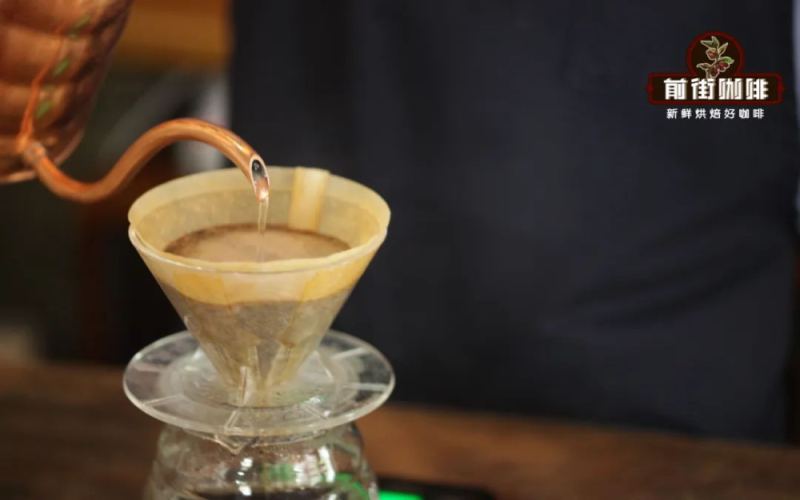
Analysis of the Differences Between Pulsed Pour-Over and One-Pour Method in Hand-Brewed Coffee: Extraction Time, Flushing Efficiency, and Suitable Bean Types
In pour-over coffee, the pouring method after blooming directly affects the final flavor. Is it the "one-pour" method, where all the water is poured at once, or is it divided into two or more stages? These two approaches differ significantly in extraction time, flushing efficiency, and controllability. Staged pouring extends the extraction window, making the release rhythm of sweet, sour, and bitter compounds more controllable, thereby enhancing the coffee's complexity. But more stages isn't necessarily better; in everyday brewing, two to three stages are most common, as they allow flexible adjustment and make it easier to hit the ideal extraction time. This article will compare in detail the differences between the one-pour method and staged pouring, and explain what kind of coffee beans are better suited to staged extraction. [more…]
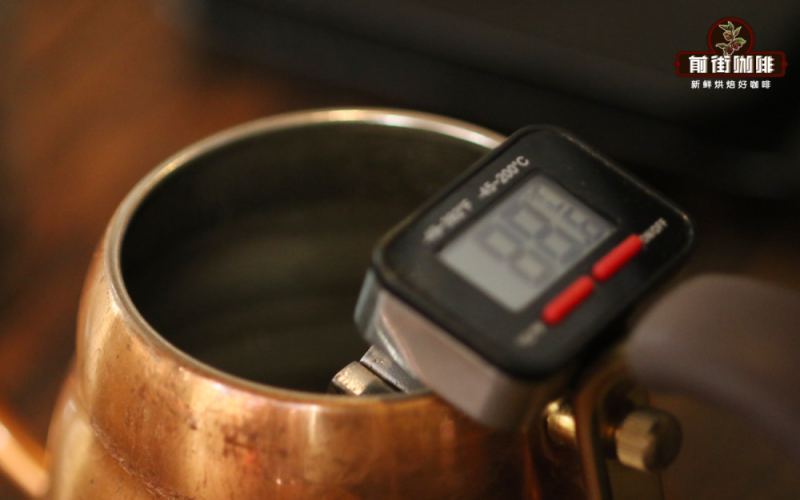
Essential Pour-Over Coffee Equipment | Where Did the Hario V60 Dripper Come From? What Is the Extraction Ratio for Brewing Pour-Over Coffee with a V60? What Is the Difference Between the One-Pour and Three-Pour Water-Pouring Techniques?
When asked what coffee brewing dripper Front Street recommends, the baristas at Front Street almost unanimously answer: V60! The V60 dripper's long ribs help rapidly extract flavor compounds, and its large hole poses no risk of clogging, resulting in coffee with layered complexity. Whether you're a beginner or a seasoned connoisseur, whether you want a refreshing [more…]

Pour-Over Coffee Water Pouring Techniques Explained: Flavor Differences Between One-Pour and Three-Stage Methods and Their Impact on Extraction Results
The pouring method for pour-over coffee directly affects the flavor expression in the final cup. The single-pour and three-stage methods are currently the two most common brewing techniques: the former involves continuous pouring and is simple to perform, while the latter extracts in stages and offers richer layers. Starting from actual brewing, this article will compare the differences between these two methods in terms of acidity, sweetness, and cup cleanliness, and, combined with Front Street Coffee's brewing recommendations, help enthusiasts understand how pouring rhythm changes the extraction direction of coffee, so they can find a pour-over approach that suits their own taste. [more…]
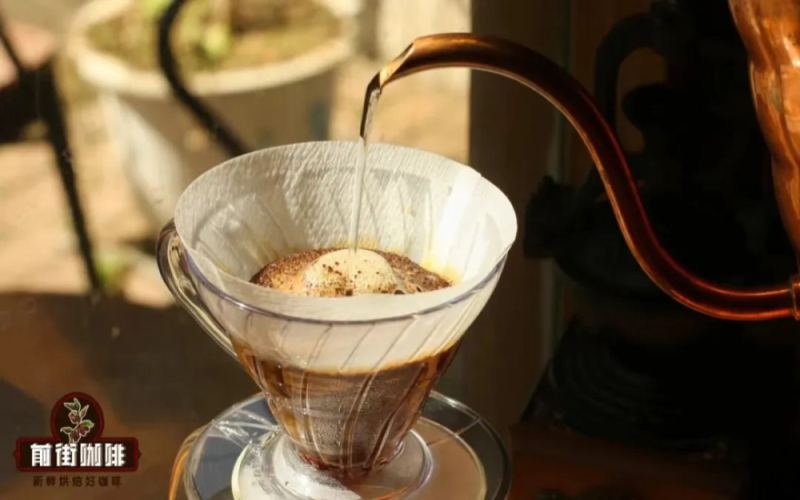
An Analysis of Seven Mainstream Pour-Over Coffee Brewing Methods: Characteristics and Differences of One-Pour, Three-Stage, 4:6, Volcano Pour, and More
In the world of pour-over coffee, different pouring techniques directly affect the interplay of key parameters such as water temperature, coffee-to-water ratio, extraction time, and grind size, thereby changing the amount of soluble substances extracted from the coffee and ultimately leading the same bean to present completely different flavor profiles. For this reason, every coffee enthusiast may choose a different brewing method based on personal taste preferences. At present, the more popular brewing schools in the pour-over field can be roughly divided into seven types. Front Street Coffee will sort through the core concepts, key operating points, and the unique expression each of these methods can give coffee one by one in this article, helping readers find the brewing logic that suits them best. [more…]
A Detailed Guide to Pour-Over Coffee Staged Extraction Techniques: A Full Breakdown of One-Pour, Three-Pour, and Three-Stage Brewing Steps
Among the many schools of pour-over coffee, single-pour, three-pour, and volcano methods each have their own characteristics, and the three-pour method is the classic example of staged extraction. By dividing the pour into several stages, staged extraction can present a richer sense of layering, clearly distinguish the flavors of the coffee's front, middle, and back sections, and at the same time reduce the chance of water escaping from the edge of the dripper, improving brewing stability. However, this technique also places higher demands on controlling flow rate and water volume. This article will use beans from Costa Rica's Pilon processing plant as an example to break down the steps of staged extraction in detail, and answer the common confusion about when to stop and when to pour again, helping you easily master this technique. [more…]
An Analysis of the Seven Major Pour-Over Coffee Schools: A Full Comparison of Brewing Techniques Including the One-Pour and Three-Pour Methods
The charm of pour-over coffee lies not only in the flavor itself, but also in the ever-changing brewing techniques. In coffee enthusiast circles, there are seven major brewing schools: volcano pour, meteor pour, one-cut pour, three-cut pour, tamped pour, stirring method, and drip pour. Except for the drip pour, all the other methods use circular pouring. Each school has its own unique extraction logic and flavor orientation—some pursue layering, some emphasize sweetness, and some are better suited for enthusiasts to explore. This article breaks down the key operational points, pros and cons, and suitable scenarios for each method one by one, and includes practical advice from Front Street Coffee to help you find the style that suits you best in your daily brewing. [more…]